
Introducing A New Digital Event Series: A Panel on “Class” Periodicals
RSVP’s Digital Events is pleased to inaugurate the first in a recurring series of panel-style presentations (configured to be user-friendly for online consumption and participation) on Friday, August 9!
“Class” Periodicals: Contents, Categories, Publics will take up “class” periodicals, a term developed to evade the stamp tax. Our panelists will present short papers that address the emergence of this variety of periodicals and their delineation of “general news”; the characteristics and audience of trade and professional journals of print; and medical journals like the Lancet and its conception of “general news.”
Following the presentations, we will have time for robust discussion.
Join Us on Friday, August 9
We’ll convene at our regular time at 8 a.m. PST / 11 a.m. EST / 4 p.m. BST / 5 p.m. CET.
As always, our digital events are free but registration is required to receive the Zoom link.
Presentations & Speakers
The following papers will be given:
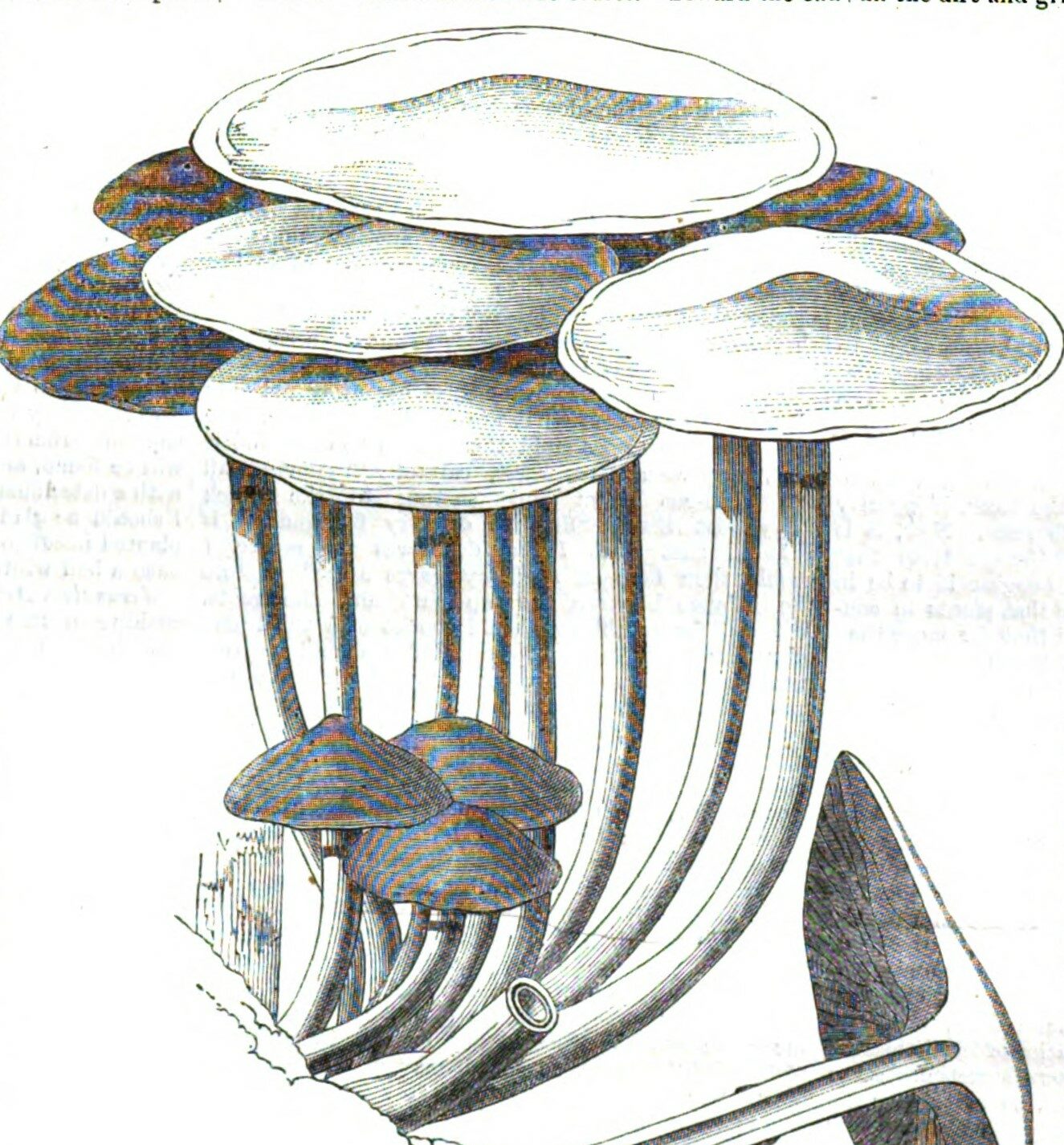
“‘General News’ in ‘Class’ Periodicals: The Gardeners’ Chronicle, 1841-1870″
Ali Hatapçı, University of Burgundy, Dijon
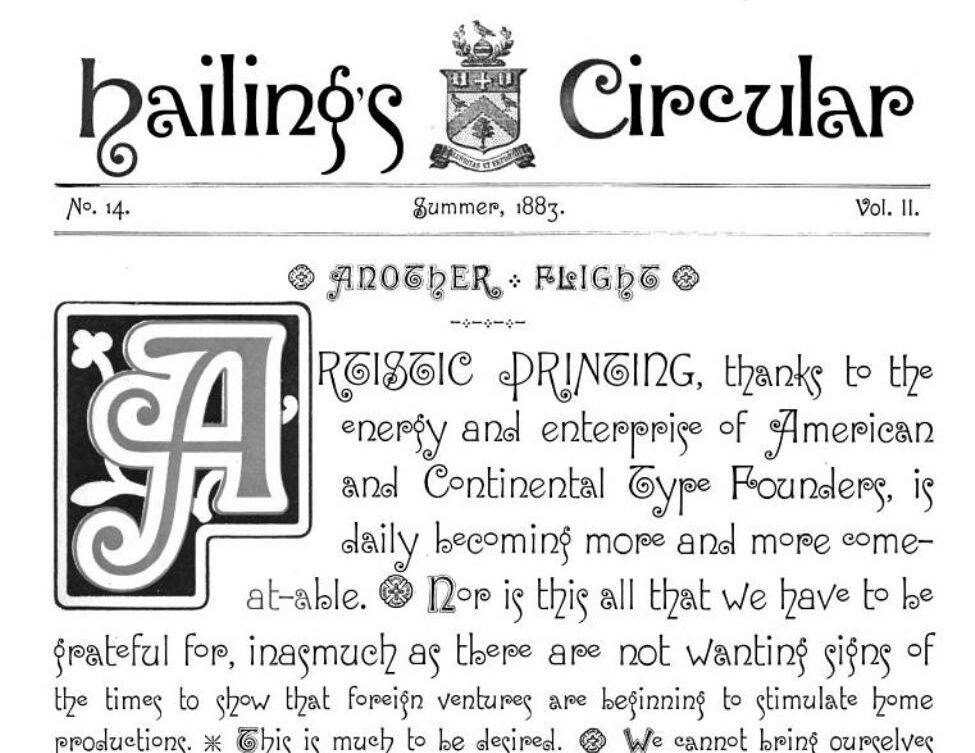
“For and/or About?: Victorian Print Trade Journals and the Shiftiness of Categorization”
Jamie Horrocks, Associate Professor of English, Brigham Young University, Provo, Utah
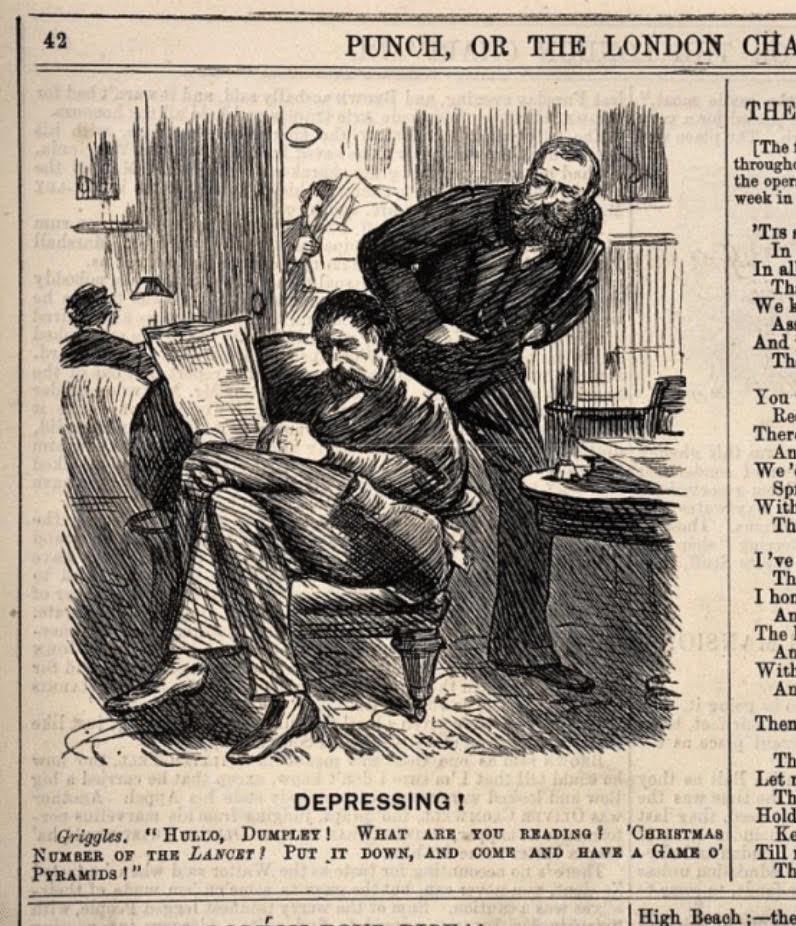
“The Changing Publics of the Victorian Medical Journals”
Sally Frampton, Research Associate in Health Humanities, University of Oxford
