
My First Visit to the British Library Archives

By Gillian Walters, RSVP Graduate Representative
I was very nervous before going to the British Library archive, not of the journey to London — I had grown up not too far away from the city so know it quite well — but I was worried about not making a fool of myself and accidentally damaging precious items. The archives seemed to be something distant and mysterious: a place that ‘proper’ researchers used, not me, and my self-doubt started to creep in…
I was encouraged to spend the day shadowing in Manuscripts Special Collections at my home institution, the University of Nottingham. The archive staff were incredibly generous with their time, and I was shown the vast array of archival material, as well as how to use snake-weights and foam book-supports to protect the artefacts. The archivists even showed me the process from someone ordering an item, to finding it in the vast storage room and its safe return. This visit put my mind at ease, and I felt more secure heading to London.
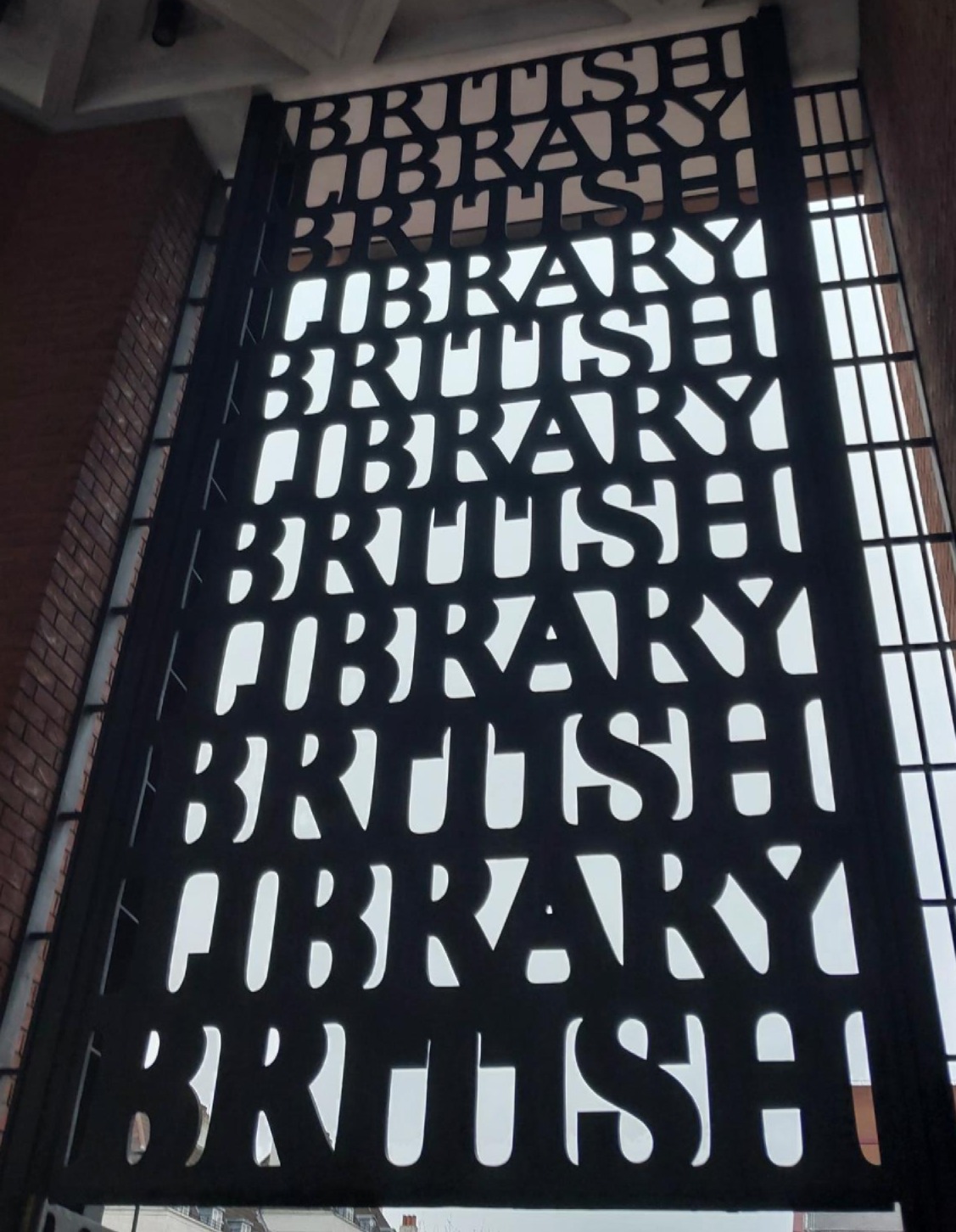
In the weeks prior to my archival trip, I emailed various staff at the British Library to check if the items I wished to see would be available. Since the cyber-attack back in October 2023, many of the library systems are not fully functional, bringing an added level of difficulty; the part of the catalogue I needed to look at was not available to check online. Luckily, the items I needed were in the library and I would be able to access them. Because I live several hours away from London, four items were pre-ordered by library staff, ready for me to collect on the first day of my visit. I was told I must register for a Reader Pass to be able to collect my items.
Reader Pass
After arriving at the library, I realised that I had not factored how long it would take to get a Reader Pass. I headed to the Upper Ground Floor, with my identification. Whilst stood in line I joked with an absolute stranger that I had not been in a queue like this since waiting to get into a Banksy exhibition in Bristol back in 2009 — I know, I’m showing my age. Eventually, I got my photo taken and was handed my shiny new Reader Pass, allowing me one year of access to the reading rooms.
Card clutched in hand, I headed off in search of archival treasures; after a quick detour to the locker room on the Lower Ground Floor of the library. I popped my laptop, phone, pencils and notebook in one of the free clear bags provided, before putting my coat and rucksack in one of the free lockers. Putting in a secret 4-digit code of my choice excited the inner child in me, and the adult in me hoped I would remember where my locker was at the end of the day.
Six Items a Day
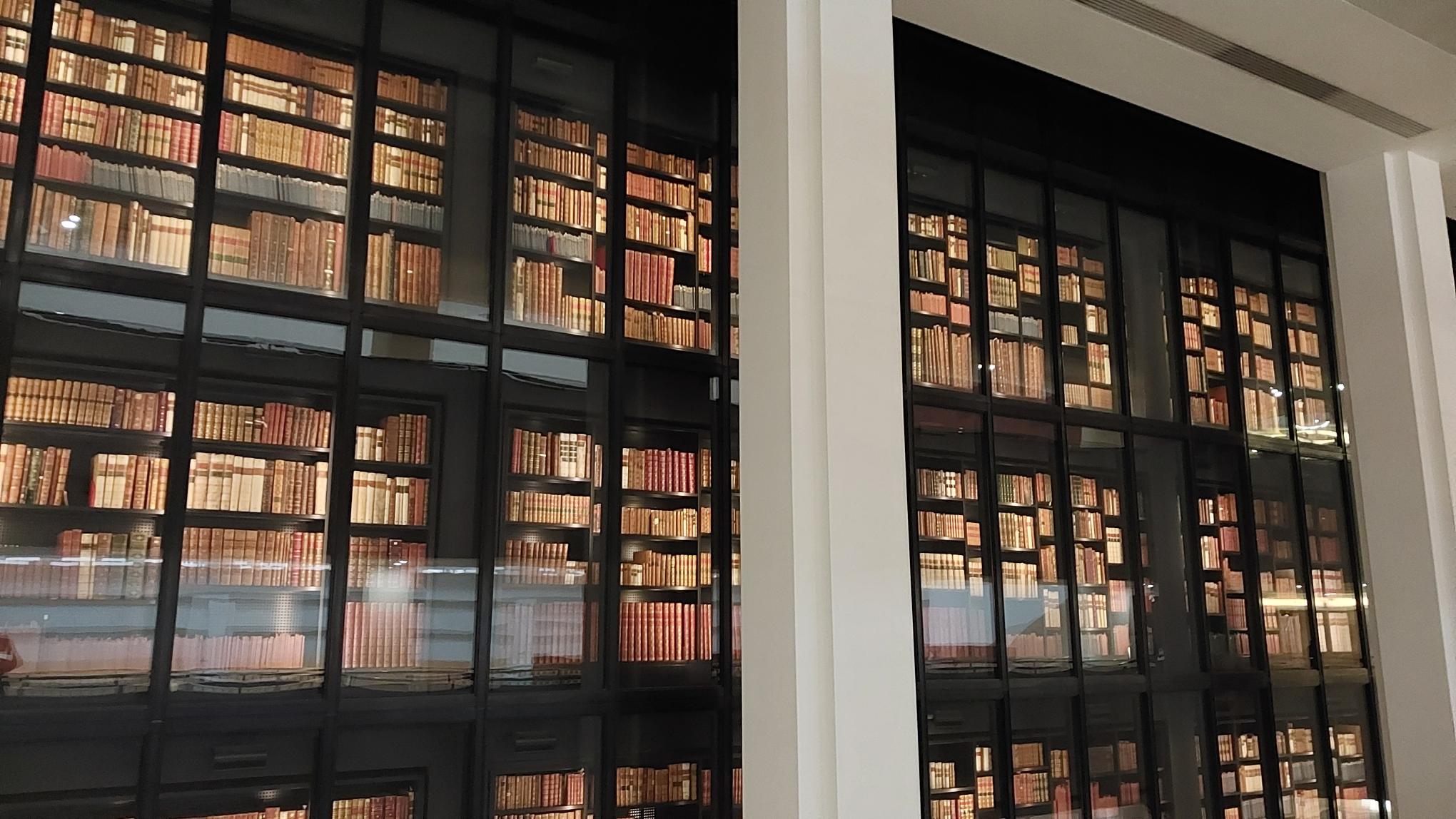
I discovered that I could only access up to six items a day, but each item is substantial and has many pages. My daily routine consisted of pre-ordering four items, which I collected in the morning, consulting and returning two items before being permitted to order my final two for the day. Items typically took 70 minutes to be delivered to the reading room. These strict rules did limit how much I could look at during my visit.
It was a thrilling sitting on the comfortably padded chair at the huge desk, in the near silent reading room on the second floor of the library. I grinned like the Cheshire Cat as I turned delicate pages of handwritten letters posted to Macmillan publishers in the nineteenth century. The documents in the archive provide a rare snapshot into the challenges of publishing at the time when the market was flooded with so many different magazines, and the main method of communication between authors, printers and other publishers was still letters. I read letters from many famous authors to Macmillan, such as Charles Dickens, Charles Dodgson (Lewis Carroll), Dinah Maria Craik, and Christina Rossetti. Touching the paper these great authors had written on so many years ago made me feel an emotional connection to the period which I never felt with digital archives — seeing the increasingly shaky handwriting of Alexander Macmillan was something I found surprisingly moving.
Funding
I had the incredible privilege of examining over 10,000 documents within the ‘Macmillan & Co. Archive’ during my two-week visit. My visit would not have been possible without generous funding from Midlands4Cities Doctoral Training Partnership, in conjunction with the Arts and Humanities Research Council. I am aware that the cost of visiting physical archives is something that prevents many researchers from being able to see items in person. It made me even more grateful of RSVP’s generous awards and prizes which have helped and continue to help so many scholars to make invaluable research trips which would otherwise be beyond their reach.
I didn’t damage anything, got to enjoy the delights of sifting through physical artifacts for two whole weeks and found some gems for my thesis. Visiting the archive allowed me to spot entangled webs of networks with porous boundaries between the personal and professional that I simply could not have discovered online.
About the Author
Gillian Walters is a PhD researcher based at the University of Nottingham. Her project is “A Study of Women’s Poetry in Macmillan’s Magazine (1859–1907): Exploring the Role of Macmillan as a Publisher of Women’s Periodical Poetry in the Victorian Era. Her research seeks to explore the periodical poetry of Mary Brotherton, Emily Hickey, Caroline Norton, Christina Rossetti, and Dinah Maria Craik.
Editor’s Note: Gillian kindly offered to write about her experiences as part of a new series we hope to continue crowdsourcing from our membership about how to do periodicals research, whether in the archives or online. Do you have some research tips or tricks to share? We’d love to hear from you! Fill out the Share Your News & Tidbits form to get in touch.
